The integration of botanical medicine into holistic human wellness
The study of plant-based health solutions and sustainable lifestyle choices offers a framework for personal and environmental well-being. This involves understanding how herbal supplements, holistic health principles, and eco-conscious living collectively contribute to a balanced state of vitality and natural symptom management.
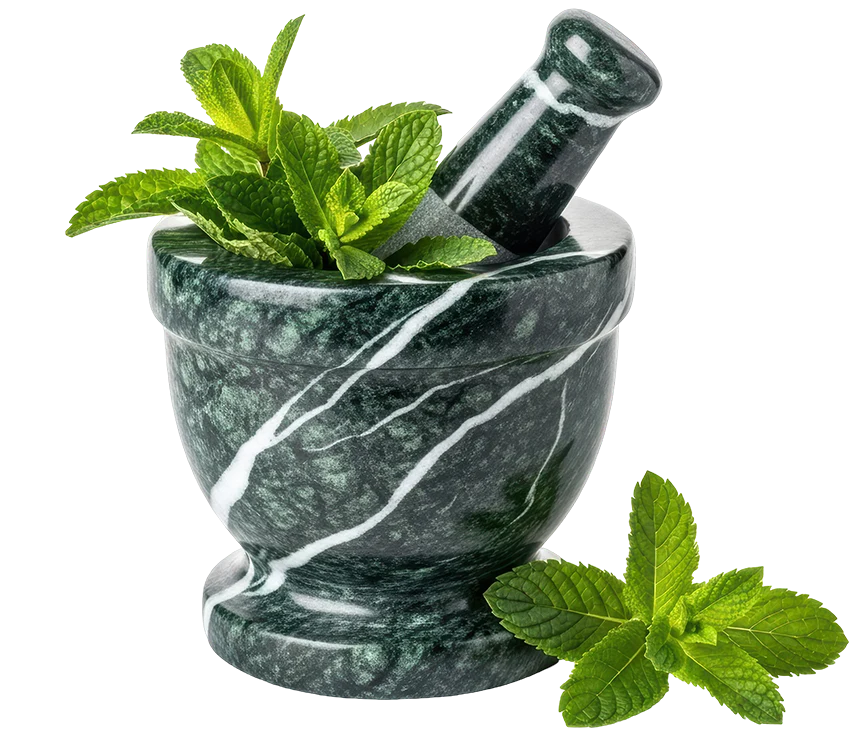
Foundations of Herbal Healing
The function of plant-based remedies in health support
Herbalism represents a tradition of using medicinal plants to support natural healing. The efficacy of these plant-based remedies is rooted in compounds like alkaloids and flavonoids. Phytotherapy, the evidence-informed medicinal practice using plant extracts, validates traditional uses through modern research, ensuring a systematic approach to dosage and application for managing specific health conditions.
01
Preparations from medicinal plants
Infusions and decoctions are common methods for extracting active compounds from herbs. Tinctures, using alcohol as a solvent, offer a concentrated botanical supplement with a longer shelf life, often used for targeted systemic support for enhanced bioavailability.

02
Traditional knowledge systems
Many cultures maintain extensive knowledge of local flora for medicinal purposes. This ethnobotany often takes a holistic view, considering the individual’s constitution and environment when recommending specific herbal preparations or topical applications like poultices.

03
The application of certified pure essential oils
Aromatherapy utilizes volatile plant compounds, known as essential oils, to promote psychological and physical well-being. Inhalation or therapeutic topical application of these therapeutic-grade oils can influence the limbic system, affecting mood and physiological functions like heart rate.

Holistic wellness
Pursuing a balanced state of holistic well-being
Holistic health is a philosophy emphasizing the interconnectedness of physical, mental, and emotional health. It moves beyond addressing symptoms to focus on preventive wellness and root causes of imbalance. This approach encourages self-awareness and proactive self-care routines that support the body’s innate homeostasis for sustainable vitality.
Key pillars include a nutrient-dense diet, consistent mindful movement to maintain bodily functions, and restorative sleep hygiene, crucial for cellular repair and cognitive function. These elements work in synergy to build immune resilience.
Integrative health
Complementary therapies for managing illness

Mind-body therapies for symptom relief
Mind-body connection is a core principle in many therapies. Techniques like mindfulness and meditation help manage chronic conditions by reducing stress, a contributor to inflammation. These practices foster mental clarity and emotional regulation support.
Yoga combines physical postures (asanas), breathing exercises (pranayama), and meditation to improve flexibility and mental focus. Its practice is recognized for supporting physical rehabilitation and improving resilience against psychological stressors.
These methods complement conventional medicine as part of an integrative health plan. They empower individuals in their therapeutic regimen by providing tools to better cope with the challenges of an acute illness or manage a chronic pathology.
The role of integrative health in recovery
Integrative health combines conventional treatments with evidence-based complementary therapies. This model treats the whole person, not just the disease, by incorporating practices that support recovery and mitigate the side effects of pharmaceutical drugs.
For instance, acupuncture, involving fine needle insertion at specific points, is often used for chronic pain management and nausea. Its mechanisms are studied for their effects on the nervous system and the release of endorphins.


Physical modalities in alternative care
Certain manual therapies focus on the body’s physical structure. Chiropractic care, for instance, centers on treating neuromuscular disorders, with spinal manipulation being a primary method of intervention offered by a certified practitioner.
Naturopathy is a broad field of non-invasive medicine. It emphasizes prevention and self-healing through methods like clinical nutrition, physical manipulation, and lifestyle advice to address chronic issues from a functional medicine perspective.
Sustainable living
Principles for an ecological lifestyle
An ecological lifestyle is based on sustainability, aiming to reduce one’s carbon footprint and promote conservation. This involves ethical consumption, zero-waste principles, and choosing services that support biodiversity. Practices like regenerative agriculture and permaculture avoid synthetic pesticides, promoting soil health for a resilient food system and ecosystem restoration.